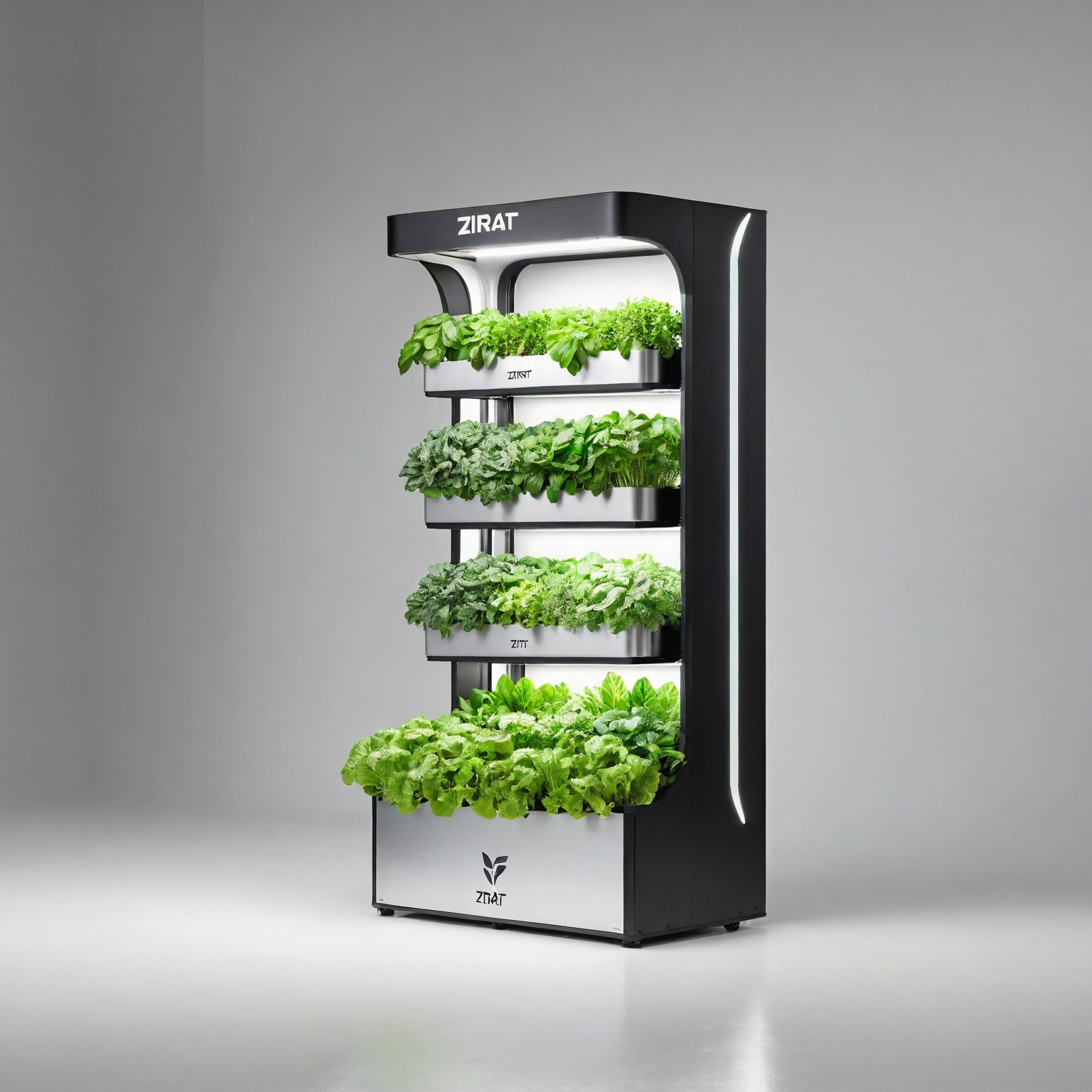
Basic Knowledge
High school–level science (biology, chemistry, physics basics).
General understanding of agriculture or gardening (preferred but not mandatory).
Skills
Ability to use digital platforms (for online modules).
Critical thinking and problem-solving mindset.
Audience Fit
Students in agriculture, environmental studies, or sustainability.
Entrepreneurs interested in agri-tech and urban farming.
Professionals in food production and supply chains.
Hardware & Software
A computer or tablet with internet access.
Spreadsheet software (Excel/Google Sheets) for planning crop cycles.
Basic CAD or design tools (optional, for farm layout exercises).
Lab/Practical Resources (if hands-on learning)
Access to hydroponics or aquaponics kits.
Small grow lights, pumps, and sensors for climate control.
Space for a prototype mini vertical farm (tabletop system).
Introduction to Vertical Farming
History, concept, and global importance.
Differences from traditional agriculture.
Key Techniques & Systems
Hydroponics, aquaponics, and aeroponics.
Controlled environment agriculture (CEA).
Technology in Vertical Farming
Sensors, IoT, and automation.
LED lighting systems and energy management.
Resource Efficiency & Sustainability
Water recycling and irrigation methods.
Land use and carbon footprint reduction.
Economic & Business Aspects
Startup costs and return on investment.
Market trends and business models.
Challenges & Innovations
Energy demand and alternative solutions.
Case studies of successful vertical farms.
Hands-on Project / Capstone
Design a small-scale vertical farm model.
Develop a crop cycle and resource plan.
By the end of the course, students will be able to:
Explain the concept and benefits of vertical farming.
Compare different soil-less cultivation methods.
Design a basic vertical farm layout.
Calculate resource efficiency (water, space, energy).
Assess economic feasibility for an urban farming project.
Quizzes after each module.
Practical assignments (e.g., hydroponic setup design).
Final project presentation (business plan or farm model).
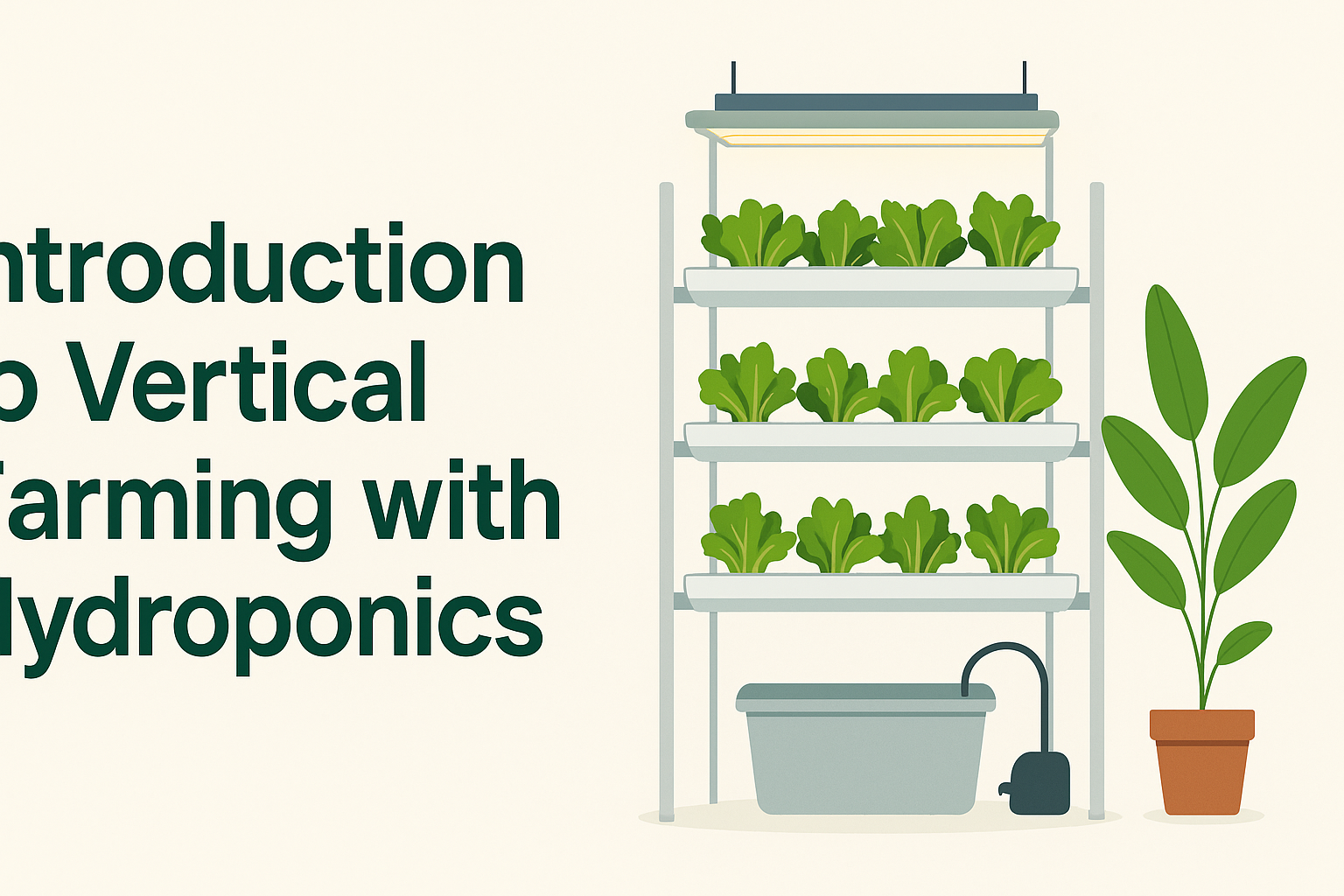
Vertical farming is an innovative agricultural practice that involves growing crops in vertically stacked layers or on vertically inclined surfaces. This method can be implemented in controlled environments such as buildings, shipping containers, or greenhouses, allowing for the cultivation of plants in urban areas and regions where traditional farming is not feasible.
The primary concept behind vertical farming is to maximize space efficiency while minimizing the resources required for crop production. By utilizing vertical space, farmers can significantly increase their yield per square foot compared to traditional farming methods. This approach also promotes sustainable practices by reducing the need for arable land and decreasing the distance food must travel from farm to consumer.
Vertical farming presents several advantages:
Despite its benefits, vertical farming also faces challenges:
Understanding the definition and concept of vertical farming is crucial for anyone interested in exploring innovative agricultural practices. This emerging field offers numerous opportunities for sustainable food production, particularly in urban environments where traditional farming is challenging.
By the end of this course, learners will be able to:
Understand Core Concepts
Define vertical farming and explain its importance in sustainable agriculture.
Compare vertical farming with traditional farming methods.
Apply Cultivation Techniques
Demonstrate knowledge of hydroponics, aquaponics, and aeroponics systems.
Identify the best method for specific crops and environments.
Manage Controlled Environments
Explain how lighting, temperature, humidity, and nutrient cycles affect plant growth.
Design strategies to optimize controlled environment agriculture (CEA).
Evaluate Resource Efficiency
Calculate water and energy usage in vertical farming setups.
Assess sustainability practices, including recycling and energy-saving techniques.
Analyze Economic & Business Potential
Estimate startup costs and potential return on investment.
Develop business models for urban and community-based vertical farming.
Solve Practical Challenges
Identify and propose solutions to issues such as high energy consumption, pest management, or system failures.
Evaluate technological innovations that address current challenges.
Design & Present a Vertical Farming Project
Create a small-scale vertical farm design (theoretical or hands-on prototype).
Present a final project or business plan demonstrating practical application of course knowledge.

As the Super Admin of our platform, I bring over a decade of experience in managing and leading digital transformation initiatives. My journey began in the tech industry as a developer, and I have since evolved into a strategic leader with a focus on innovation and operational excellence. I am passionate about leveraging technology to solve complex problems and drive organizational growth. Outside of work, I enjoy mentoring aspiring tech professionals and staying updated with the latest industry trends.
No Review found
Discover Additional Learning Opportunities
.png) Beginner
Beginner
 Beginner